



From an operational support role to an essential business partner, IT management drives efficiency, innovation, and competitive advantage for organizations.
Primeiramente, o gerenciamento de TI é um pilar fundamental para o sucesso e a sobrevivência das organizações na era digital, atuando como motor de crescimento e diferenciação. Em sua essência, trata-se de um processo meticuloso de alinhar os recursos tecnológicos aos objetivos de negócio, garantindo desempenho otimizado e vantagem competitiva sustentável.
Through this strategy, technology goals and investments become directly aligned with the organization’s overall objectives. This is crucial for directing resources to areas that generate higher ROI, enabling the automation and modernization of internal processes, resulting in greater operational efficiency, reduced errors, and increased productivity, as well as transforming operating models, creating new opportunities, and enabling business expansion.
Além disso, o gerenciamento de TI facilita a implementação de tecnologias que otimizam a análise de dados e criam novas oportunidades de mercado, garantindo acesso a informações em tempo real e ferramentas de análise aprofundada, que resultam em decisões mais precisas e informadas. Também contribui para a proteção de dados sensíveis, para o cumprimento de regulamentações e para a capacitação das empresas a se tornarem mais adaptáveis e ágeis em um ambiente de negócios cada vez mais dinâmico.
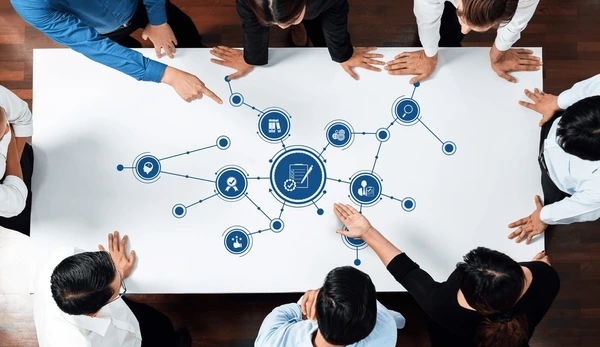
Key challenges faced by technology teams
IT teams face a range of challenges that go beyond technical expertise. These obstacles directly impact operational efficiency, innovation capacity, and strategic alignment within organizations. Among the main challenges are:
- Falta de alinhamento entre TI e o negócio: Ainda é comum que a área de tecnologia opere de forma isolada, o que dificulta a priorização correta de iniciativas. O desafio está em alinhar as prioridades e estratégias específicas de TI às metas globais do negócio, garantindo que cada investimento tecnológico gere valor real. Esse alinhamento exige comunicação constante, definição clara de objetivos e participação ativa da TI nas decisões estratégicas.
- Shortage of skilled IT professionals: High demand for specialists and rapid technological evolution make the market extremely competitive. Finding qualified professionals — and retaining them — is a growing challenge. This pressures companies to invest in internal training, attractive career paths, and environments that encourage innovation and continuous learning.
- Dificuldades em gerenciar equipes técnicas: Liderar equipes de tecnologia envolve muito mais do que expertise técnica. É necessário combinar conhecimento em gestão de pessoas com habilidades comportamentais. Uma liderança de TI eficaz deve dominar comunicação clara e transparente, inteligência emocional, metodologias ágeis, gestão de projetos, organização e a capacidade de oferecer e receber feedbacks de forma construtiva. A ausência dessas competências prejudica o desempenho e o clima organizacional.
- Pressão constante por resultados: A TI é frequentemente vista como área responsável por manter a operação funcionando sem falhas, ao mesmo tempo em que precisa impulsionar inovação. Essa dualidade gera pressão intensa por entregas rápidas e eficientes. Para equilibrar expectativas, as lideranças devem se apoiar em indicadores de performance, que evidenciam os resultados alcançados e demonstram como o trabalho da equipe contribui para os objetivos gerais da empresa.
- Communication and feedback in IT leadership: Communication is one of the biggest challenges within the technology area. Complex information must be conveyed clearly to different audiences, from technical teams to executives. In addition, frequent and structured feedback strengthens trust, improves productivity, and helps resolve conflicts. Effective communication promotes collaboration, reduces rework, and increases team maturity.
Governança de TI: práticas essenciais para manter o controle e a conformidade
Governança de TI é o conjunto de práticas, processos e estruturas que garante que a tecnologia esteja alinhada aos objetivos estratégicos da empresa. Ela orienta decisões, otimiza investimentos, gerencia riscos, fortalece a segurança da informação, assegura conformidade e define responsabilidades — tudo com o propósito de gerar valor ao negócio.
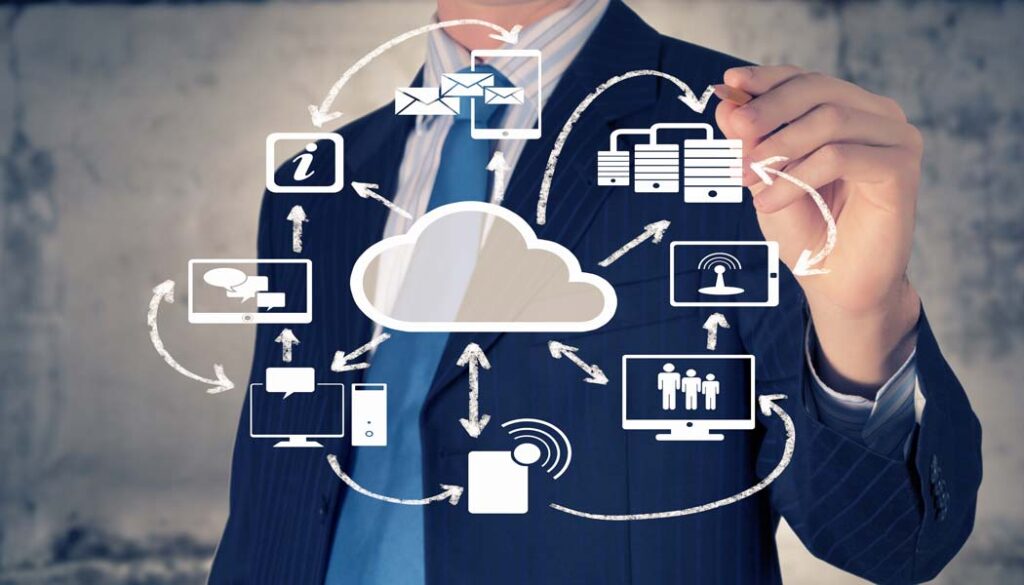
Por meio da governança, políticas são estabelecidas, recursos são monitorados e otimizados, e o desempenho tecnológico é acompanhado de forma estruturada. Trata-se de um elemento essencial para o crescimento sustentável em um mundo cada vez mais digital e competitivo.
To ensure that IT is not merely a cost center but a strategic partner capable of driving growth and organizational efficiency, governance must ensure:
- Strategic alignment: ensuring that IT directly supports the company’s goals and overall strategy.
- Value generation: focusing on how technology delivers tangible benefits, increases ROI, and contributes to concrete results.
- Resource optimization: ensuring the efficient use of people, infrastructure, processes, and technology investments.
- Risk management: identifying, assessing, and mitigating security, operational, and compliance risks that may impact the business.
- Mensuração de desempenho: definir e monitorar KPIs e métricas que permitam acompanhar o progresso, a eficiência e a eficácia das iniciativas de TI.
Technology asset and infrastructure management
A gestão de ativos e infraestrutura tecnológica é o processo estratégico de monitorar, controlar e otimizar todos os recursos de TI — hardware, software, dados, redes e contratos — durante todo o seu ciclo de vida, da aquisição ao descarte. Seu objetivo é alinhar a tecnologia aos objetivos do negócio, reduzir custos, mitigar riscos de segurança, garantir conformidade e aumentar a eficiência operacional e o ROI.
IT asset management involves:
- Detailed inventory, recording and tracking all technology assets;
- Lifecycle control, managing each stage, including purchase, usage, maintenance, and retirement;
- Otimização, evitando gastos desnecessários com licenças duplicadas, subutilizadas ou com hardware obsoleto;
- Compliance and security, maintaining regulatory standards and protecting the organization against failures or vulnerabilities.
IT infrastructure management is responsible for:
- Monitoramento contínuo, acompanhando a performance e o status de todos os componentes da infraestrutura;
- Proactive maintenance, identifying and resolving issues before they impact operations;
- Planejamento de capacidade, prevendo necessidades futuras e dimensionando adequadamente recursos como servidores e redes;
- Integration, ensuring that hardware, software, and systems operate efficiently and in alignment with business needs.
In summary, asset and technology infrastructure management transforms IT from a simple cost center into a strategic engine. By providing visibility, control, and efficiency, it ensures that every technological resource directly contributes to the company’s success.
Information security as a central pillar of management
Considerada um pilar central da gestão, a segurança da informação tornou-se uma área estratégica nas organizações modernas, deixando de ser apenas uma preocupação técnica da TI para ocupar espaço no centro das decisões corporativas.
Its importance lies in ensuring the protection of data, systems, and operations, which supports decision-making, ensures business continuity, and strengthens the trust of customers, partners, and other stakeholders.
In addition, information security is essential for protecting valuable assets, reducing vulnerabilities, ensuring operational continuity, and supporting the long-term growth of companies in an increasingly digital environment exposed to threats.
Monitoring, metrics, and continuous improvement
What are
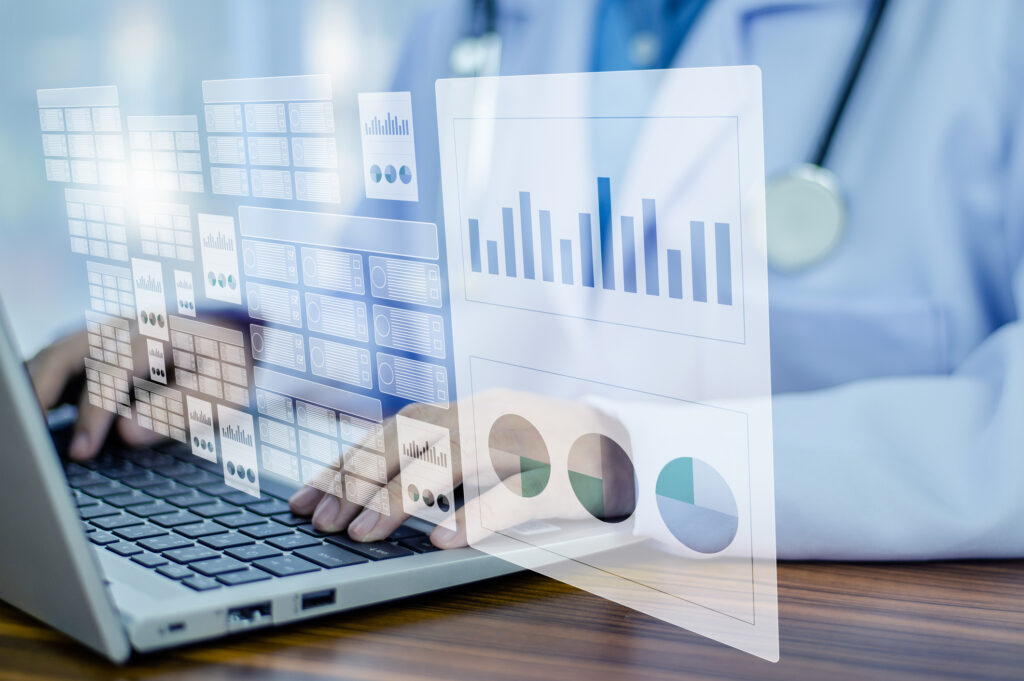
Forming an essential cycle for the success of any business, metrics provide data on current performance; monitoring is the continuous collection and analysis of this data to identify deviations and bottlenecks; and continuous improvement uses this information to adjust processes, optimize resources, and ensure operational excellence. Together, these elements increase efficiency, quality, and customer satisfaction.
How they work together
Monitoring, metrics, and continuous improvement operate in a cycle that begins with planning. At this stage, processes are mapped, problems are identified, and goals are defined based on clear metrics. The next phase is the implementation of the planned changes and corrective actions. Then, results are monitored using the established metrics to verify whether goals were achieved and whether the process has evolved. Finally, adjustments are made where outcomes fell short, successful practices are standardized, and a new improvement cycle begins, strengthening a culture of continuous evolution.
Benefits
The main benefits generated by the monitoring, metrics, and continuous improvement cycle include:
- Efficiency: cost and waste reduction, resource optimization.
- Quality: fewer errors, better products and services, reduced rework.
- Satisfaction: more satisfied customers and more engaged employees.
- Decision-making: decisions based on real data rather than assumptions.
Automation and process integration
Unindo sistemas que antes não se comunicavam, a automação e a integração de processos criam operações mais ágeis, inteligentes e com melhor controle de desempenho. Essas ferramentas utilizam a tecnologia para conectar sistemas e automatizar tarefas manuais, transformando fluxos de trabalho para aumentar a eficiência, reduzir custos e erros, e liderar equipes para atividades mais estratégicas.
Process automation is the use of software and technologies to execute repetitive tasks or support them in a coordinated and faster way. For example, instead of an employee manually filling out vacation request forms, an automated system can manage the entire request and approval process, centralizing documents and enabling real-time tracking.
Process integration consists of enabling different systems and software to communicate with each other, sharing data and information in a continuous and seamless way. This is essential for automation to be effective. A practical example is when a sales system communicates with the inventory system, which in turn integrates with the financial system, creating a continuous flow of information.
Main benefits:
- Productivity and efficiency: fewer manual tasks and faster processes.
- Cost and error reduction: decreased rework and operational failures.
- Decision-making: centralized and up-to-date information for more accurate decisions.
- Agility and competitiveness: faster processes that enhance responsiveness.
- Standardization: consistent and repeatable processes across the organization.
Wevy offers comprehensive IT solutions to make your operation more efficient, secure, and productive. With optimized management, it is possible to increase operational efficiency, reduce costs, ensure compliance with market standards, and strengthen security against threats.
Discover our solutions and learn how your company can transform processes, integrate systems, and achieve new levels of productivity and innovation.
The influence of organizational culture on IT efficiency
Organizational culture has a direct and significant influence on the efficiency of the IT area, acting either as a facilitator or as a barrier to performance, innovation, and the strategic alignment of technology with business objectives.
When positive, organizational culture contributes to:
- Increased productivity and performance, with more motivated and engaged teams.
- Strategic alignment, enabling IT to work in an integrated way with the company’s goals.
- Improved collaboration and communication, fostering faster and more effective exchanges between teams and departments.
- Encouragement of innovation and agility, creating an environment that supports experimentation, learning, and continuous improvement.
On the other hand, an unfavorable organizational culture can create significant obstacles, such as:
- Resistance to change, making the adoption of new technologies and processes more difficult.
- Lack of alignment between departments, resulting in conflicting priorities and rework.
- Low engagement, which reduces productivity and compromises the quality of deliverables.
Cultural alignment is therefore crucial to the success and performance of the IT area. When culture supports technology, the company gains efficiency, competitiveness, and innovation capability.

Trends shaping IT management
The main trends shaping IT management revolve around the integration of AI and automation, the rise of cloud computing and edge computing, as well as the growing importance of advanced cybersecurity. Each of these deeply transforms how companies operate, innovate, and protect themselves.
AI and automation
Artificial Intelligence and automation are redefining processes, reducing manual tasks, and increasing efficiency. They enable more accurate analyses, faster responses, and autonomous systems capable of identifying failures, predicting demands, and optimizing resources. In IT management, this means greater agility, fewer errors, and continuous innovation capability.
Cloud computing
A computação em nuvem tornou-se o alicerce da infraestrutura moderna. Além de reduzir custos com servidores físicos, ela oferece escalabilidade, flexibilidade e disponibilidade global. A nuvem também facilita o acesso a soluções avançadas, como bancos de dados gerenciados, ferramentas de análise, segurança integrada e aplicações sob demanda, ampliando a capacidade de resposta das equipes de TI.
Edge computing
With the growing need for real-time processing, edge computing gains prominence by bringing data closer to where it is generated. This reduces latency, increases speed, and improves the experience in critical applications such as IoT, smart devices, surveillance, and industrial automation. For IT, this represents new architectures, more distributed security, and greater local processing capacity.
Advanced cybersecurity
Com o aumento de ameaças digitais, ataques mais sofisticados e ambientes híbridos, a cibersegurança tornou-se prioridade absoluta. Soluções avançadas — como detecção comportamental, Zero Trust, criptografia reforçada, autenticação multifator e automação de respostas — são essenciais para proteger dados, sistemas e a continuidade do negócio.
In addition to these, other trends, such as DevOps methodologies, agile engineering, intelligent applications, multiexperience environments, and sustainable technology, require IT professionals to constantly adapt and pursue continuous upskilling to keep pace with market evolution and maintain competitiveness.
How to prepare the company for the digital future
For a company to be prepared for the digital future, IT management must focus on aligning technology with business objectives, modernizing infrastructure, and promoting a culture focused on innovation and continuous improvement.
Therefore, the main steps for this preparation include:
- Strategic and cultural alignment:
- Connecting the IT area to the company’s purpose and strategic business goals.
- Promoting a cultural shift that values innovation, collaboration, and adaptability.
- Investing in people development, strengthening both technical and behavioral skills.
- Modernization of infrastructure and processes:
- Assessing the current state of technology and identifying gaps.
- Modernizing infrastructure by adopting scalable and efficient solutions.
- Integrating systems and data to improve information flow.
- Optimizing processes to increase efficiency and reduce rework.
- Focus on technology and security:
- Investir em tecnologias emergentes que impulsionam a transformação digital.
- Investing in emerging technologies that drive digital transformation.
Garantir a segurança dos dados e a conformidade com normas e regulamentações.
With our solutions, your company can prepare for the digital future through strategic IT management supported by cloud computing, cybersecurity, data analytics, and automation — pillars delivered by Wevy through a specialized portfolio.